Blog
-
2025-2026 Board Elections
Washington Canyon Coalition holds elections in October each year for open Director positions which start in December of the same year and serve 2-year terms. In 2025, there are four candidates running for four open spots. Elections will open on October 20, 2025 and close at 11:59pm Pacific Time on October 31, 2025.
Read about the four candidates below, then cast your vote!
Anyone who has a vested interest in the mission of Washington Canyon Coalition may cast a vote. Duplicate votes will be discounted.
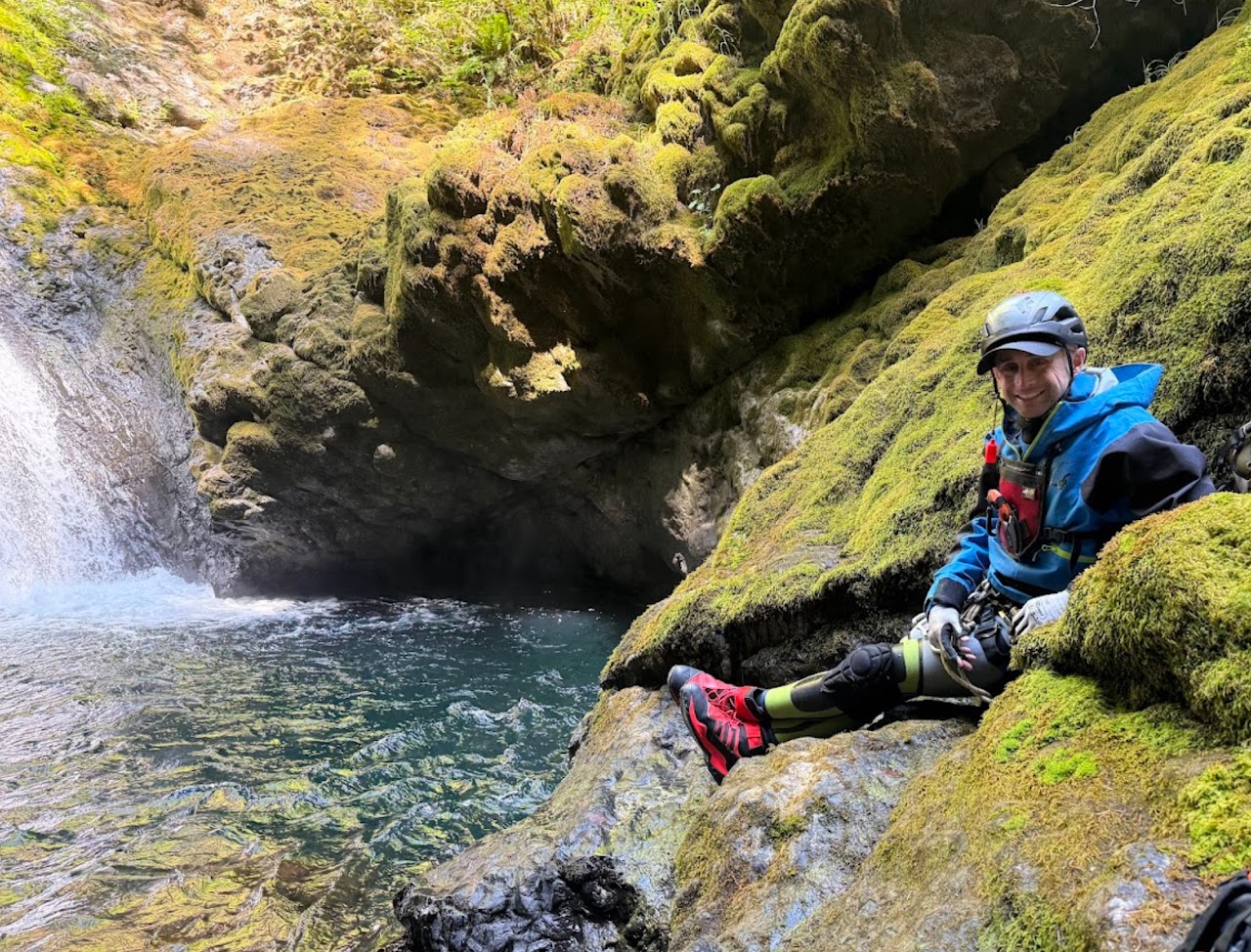
Cole Anderson
Cole has been canyoning since 2019, and has experience in the Southwest, the PNW, New Zealand, and Costa Rica. He’s been through many of the canyons in Washington multiple times.
Cole is passionate about helping others access the sport, and is known by many in the community as being an integral mentor in their canyoning development. He also helps teach for The Mountaineers. He’s taken on leadership as participant coordinator for the past two PNW Rondies, making sure participants are prepared for the best possible experience. This year, he is stepping up further to co-chair the event in 2026.
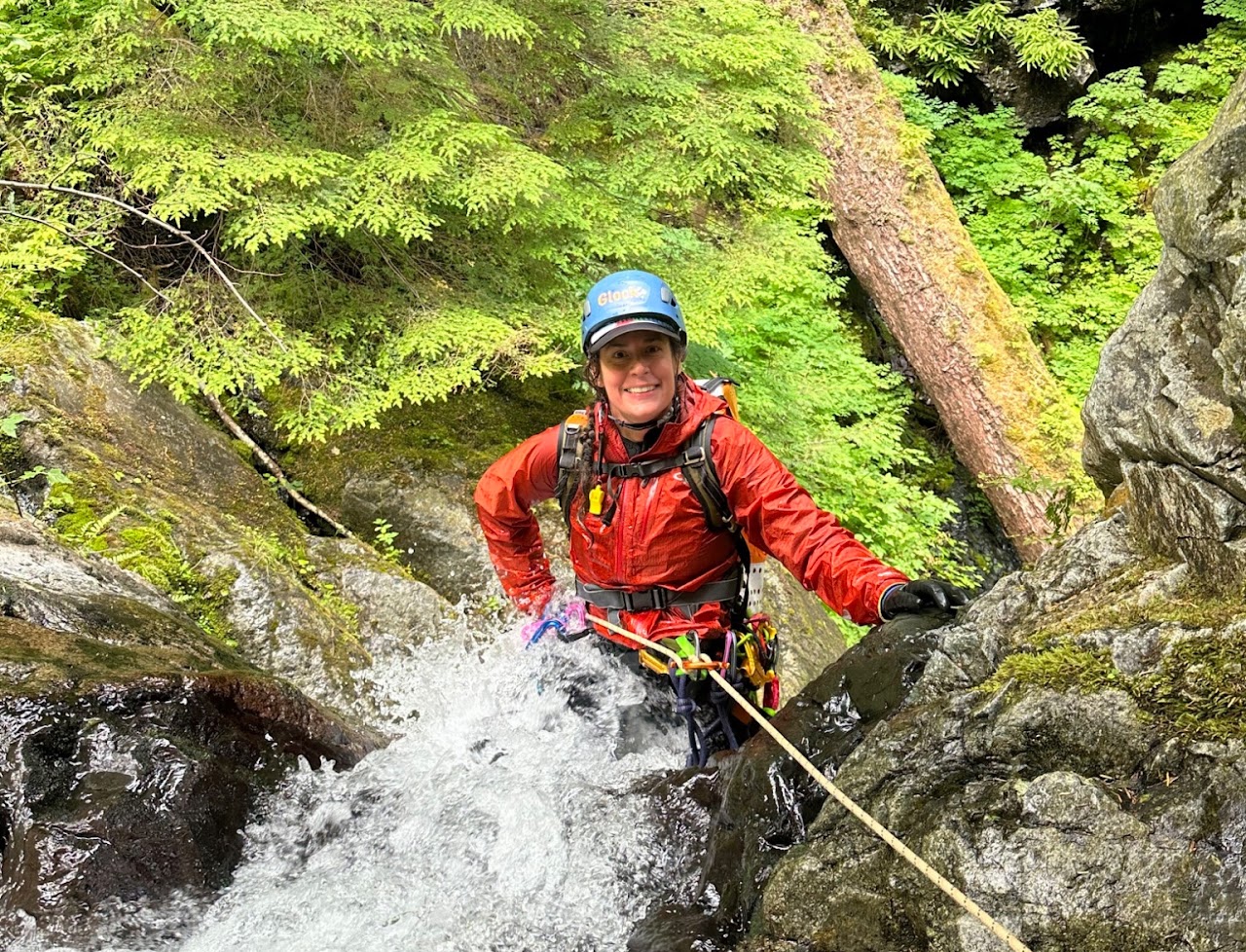
Kimberly Glock
“I care about the community and the lands that we recreate in. I want to give back to those and the land that has given so much to me. I also associate with multiple canyoning groups around the region and would love to bring more of us together for a good cause.”
Kimberly has spent the last 4 years participating in swift water canyon training with multiple organizations in the region. She has experience with regional canyons and brings a safety first mindset. She also brings skills and experience from multiple other disciplines to include instructing with the basic alpine course for The Mountaineers. She also brings her professional skills to the table as a data scientist. She is a lifelong learner and humble and is thankful to continually contribute and learn from others in our amazing canyoning community here in the PNW.
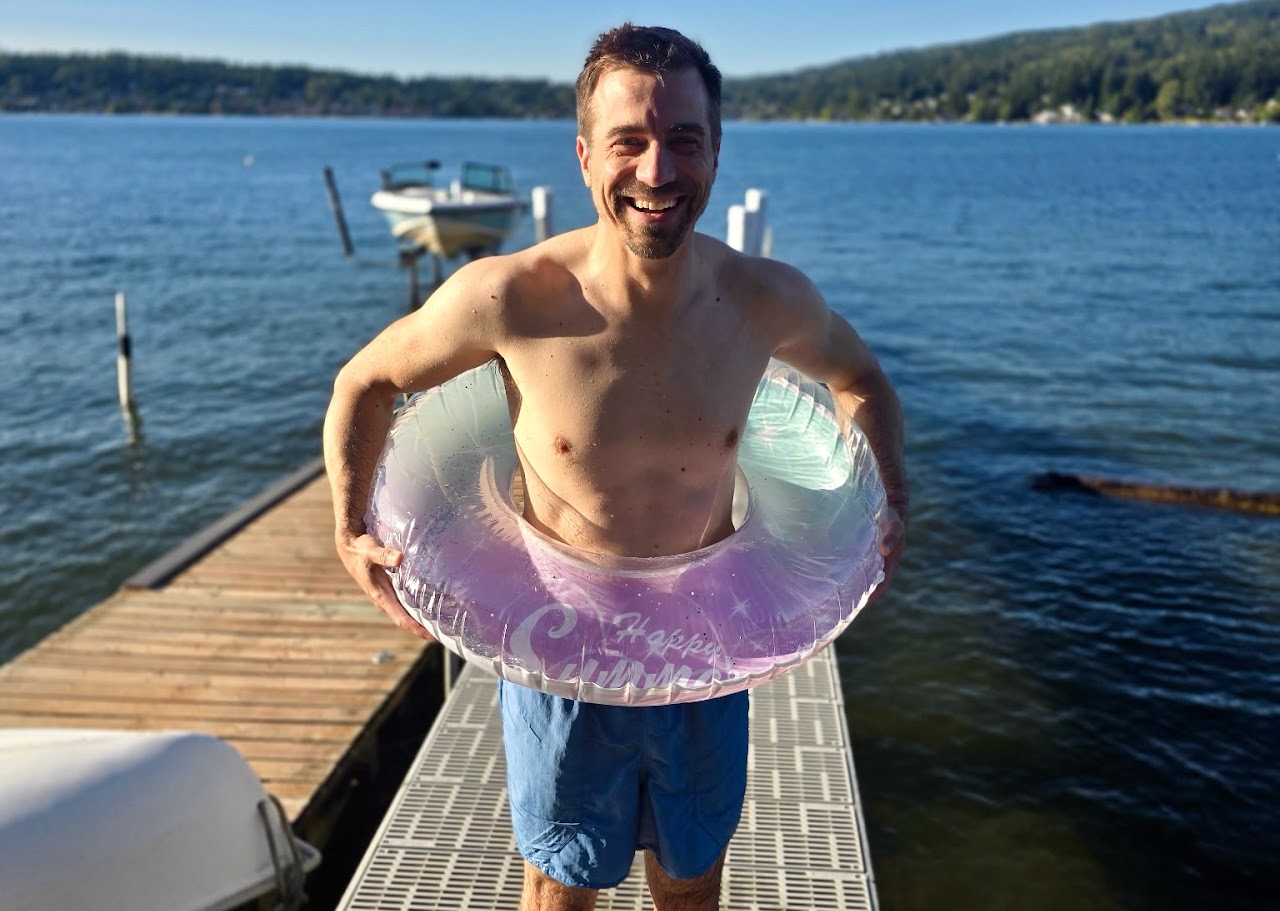
Jesse Houser
“Throughout my life, I’ve been fortunate to work with wonderful organizations on causes that are meaningful to me. I began canyoning in Washington in 2014, and the mission of the Washington Canyon Coalition is one I’m eager to support. I would be honored to serve our community as a member of the board.”
Jesse has a wide range of experience in outdoor recreation, exploration, citizen science, instruction, search and rescue, industrial rope access, and advocacy. He has participated in canyoning throughout Washington, the broader Western US, and internationally. A sampling of his relevant experience includes serving on a cycling advocacy nonprofit board (Bicycle Indianapolis), working on a committee that developed a single rope technique training curriculum (National Speleological Society), serving on an NSS grotto board (Central Indiana Grotto), administering board elections (Chattanooga-Hamilton County Rescue Service), managing fixed anchor installations (Southeastern Cave Conservancy), and volunteering as a canyoning instructor (The Mountaineers).
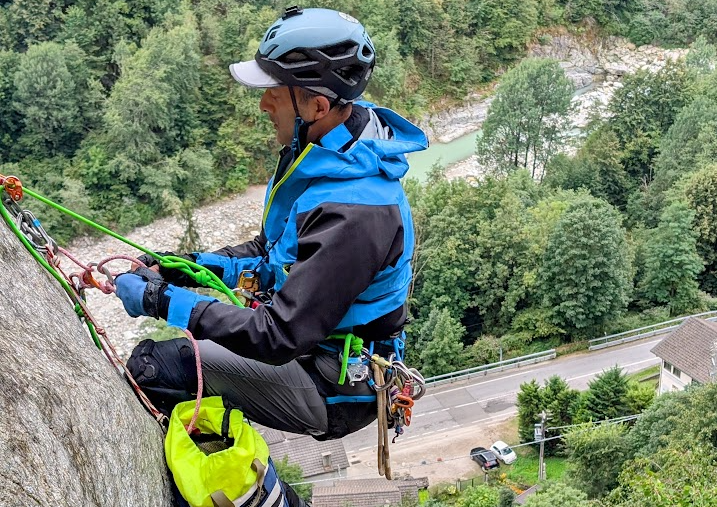
Shyam Vijayaraghavan
“I discovered my passion for canyoning in 2018, and have enjoyed instructing for The Mountaineers since 2021. My goal is to contribute to the WCC Board in order to ensure our canyons are safely enjoyed and maintained by our current community,a nd to protect and grow the sport for future generations.
In addition to my love for canyons, I bring to the table my professional entrepreneurial experience, as well as previous volunteer positions as a non-profit board member.”
-
Open Call for Nominations 2025-2026!
Open Call for Nominations!
Washington Canyon Coalition is preparing for our 2025 Board elections, which will take place in October. The Board of Directors seeks to add 2-4 new Directors, with 2-year terms starting in December of 2025.
In 2024-2025, we were proud to have accomplished the following:
- Established our organization as an Independent 501c3 non-profit organization
- Published action alerts for:
- Protecting fixed anchors on federal lands
- Opposing public land sell-offs
- Protecting the Roadless Rule
- Hosted a Tuesday Advocacy Series
- Published PNW Anchor guidelines
- Funded two anchor maintenance projects
- Funded and hosted a canyon stewardship project
- Hosted the 3rd annual PNW Canyon Rondy
In 2025-2026, we are looking for Board members to join our existing Board who can bring expertise, creativity, and energy to work for the betterment of canyoning in Washington.
Some of our 2025-2026 goals include:
- Establishing a membership structure
- Establishing a stewardship and training fund to support our community
- Hosting additional stewardship projects
- Systematizing intake and coordination of anchor maintenance projects
- Continue giving our community tools and knowledge to advocate for issues important to PNW Canyoners
Commitment and requirements
- Attend a minimum of two-thirds of our monthly meetings from September through June.
- Participate in at least one committee (current committees are: stewardship, advocacy, rondy, membership)
- Total commitment is 4-6 hours/month, plus any stewardship, rondy, or other events
- We are especially looking for folks with interest and/or experience in nonprofit governance, communications, and public policy.
- We are especially looking for folks from social groups that are not currently represented on the WCC Board
Benefits
- Expand your canyon network. The Board and the committees become a tight community connected through a sense of purpose to serve the community. We work hard and also enjoy canyoning together!
- Build your resume. You’ll gain experience with governance, compliance, community engagement and leadership.
Timeline
- Nominations open until Friday, October 10
- Candidates will be reviewed & verified by the Board during the week of October 13
- Elections will take place via electronic ballot October 20-31
-
2025 Tuesday Advocacy Series
Tuesday Advocacy Series:
Every other month in the PNW off-season (Nov-May), the Washington Canyon Coalition will present a Third-Tuesday Advocacy Series. These zoom meetings from 6:30-8pm will be open to all and an opportunity for our community to improve our collective knowledge on public lands and advocacy. Our goal is to make them fun, engaging, and informative.
https://forms.gle/Z5jowU1AzyAJvJ8h9
The 2025 Line-up:
January 2025 – Tour of WA Public Lands
Join us as we explore our favorite (and some lesser known) canyons from the lens of our land managers. We’ll take you on a tour of the state so you can learn about the governing body of each of our canyons, and the laws and regulations that apply. Join us for beautiful photos and helpful maps. You’ll come away with a good baseline understanding of how canyon access works in Washington.
March 2025 – Intro to the Wilderness Act Update: We are pivoting to discuss impacts of recent changes to public lands staffing
The Wilderness Act of 1964 was a landmark piece of legislation that has served to preserve American natural spaces in ways that many other countries haven’t. There are many ways canyoners benefit from the Wilderness Act, but also many aspects that challenge what we do. In this presentation, we’ll provide a real-world orientation to the Wilderness Act, highlight sections that are particularly relevant to us, and discuss opportunities to advocate for the appropriate application of this important law.
May 2025 – Advocacy to lawmakers and public comment periods
Ever get tired of signing the same petition over and over? Feel like there’s no point in the public comment period? In this session, we’ll orient you to what successful advocacy looks like when working with your lawmakers: what’s the point of petitions? Will they read your letters? Then we’ll dive into public comment periods, which are communications to your public lands administrators. Learn what these are for, when land managers are required to engage in a public comment period, and how to have the most impact as a contributor.
November 2025 – Forest Plans & Park Plans – what are they and how do they work
Mt. Rainier National Park (MORA) and North Cascades National Park (NOCA) are currently in different stages of a Park Recreation Management Planning Process. The Forest Service in Region 6 (WA, OR, and Northern CA) is working on an updated NW Forest Plan. Join us to learn what these plans are, what they mean for canyoneers, and when and how you can weigh in.
If there are topics that you are interested in hearing about, please fill out the form below!
-
EXPLORE Act Passes!
On Thursday, December 19, 2024, after a decade of work by outdoor recreation groups across the country, the EXPLORE Act passed unanimously in the US Senate (after passing in the House in Spring 2024), sending the bill to the President’s desk to be signed into law.
Below are some important ways the EXPLORE Act benefits canyoning.
Read below and thank your lawmakers! Why? Our lawmakers work for us (we elect them!) Each session, our legislators have far too many issues than there is time for, so when a bill we care about makes it to the floor for a vote, it means they prioritized it over other things. They listened to us, and they need to know how much we appreciate it, and that we’re paying attention. Thanking our lawmakers sets our community up for future success, and it’s the right thing to do.
Protecting Fixed Anchors
Protecting America’s Rock Climbing (the PARC Act) is included in the EXPLORE Act, and it mandates land managers to issue guidance for recreational climbing activities on federal land. This is important because, while the guidance will certainly come with some restrictions, it will establish climbing, in writing, as a legitimate form of recreation, and it will create a transparent pathway to access climbing routes. Additionally, the act clearly specifies that “recreational climbing (including the use, placement, and maintenance of fixed anchors) is an appropriate use within a component of the National Wilderness Preservation System.”
It’s important to note that the EXPLORE Act does not supersede any of the policy outlined in the Wilderness Act or any other policies or regulations governing our public lands; rather it clarifies that climbing and the use of fixed anchors can and should be legitimately allowed under existing policy and regulations, and it is the land managers’ obligation to outline how that can be accomplished.
This language is critical to canyoning, even though it is centered on climbing. It keeps pathways open for the use of fixed anchors and prevents unnecessarily restrictive policies. It also obligates land managers to provide transparent guidance, preventing them from forbidding climbing activities in absence of guidance. Coupled with language throughout the EXPLORE Act making recreation a priority, the EXPLORE Act will open pathways for partnership with land managers to support sustainable canyoning in the US.
Prioritizing Outdoor Recreation
Making recreation a priority is highlighted throughout the EXPLORE Act. In fact, the very first section states: “Congress declares that it is the policy of the Federal Government to foster and encourage recreation on Federal recreational lands and waters…” Land managers have many, often competing, priorities: conservation, resource extraction (eg. logging, mining), and grazing to name a few. The EXPLORE Act makes it clear that recreation is a priority and emphasizes the need for land managers to consider the impacts to recreation when making decisions. While this law will not authorize land managers to operate outside of existing policy and regulations, it does require them to prioritize recreation within existing policy and regulations. In the EXPLORE Act, our land managers are mandated to:
- Support recreation by developing an inventory of recreation opportunities on public lands, assessing maintenance needs for existing sites, and assessing development opportunities for new sites.
- Work collaboratively across agencies through the Federal Interagency Council on Outdoor Recreation (FICOR) to support sustainable recreation management, including “the identification and engagement of partners outside the Federal Government to promote outdoor recreation, to facilitate collaborative management of outdoor recreation, and to provide additional resources related to enhancing outdoor recreation opportunities”
- Improve access and transparency through actions like expanding parking and restrooms; improving trails, campgrounds and wifi/data; simplifying special event and outfitter-guide permitting; and encouraging partnerships with local governments, organizations, and volunteers to fund and implement sustainable recreation.
Does this mean we can use power drills in wilderness? Mostly, no.
Mostly no, but also yes. Essentially nothing has changed on paper. The Wilderness Act specifically forbids the use of “motorized equipment,” and Director’s Order #41 clarifies that a power drill is by definition motorized equipment. The Wilderness Act also states (and DO #41 reinforces) that land managers may issue permits for exceptions when a power tool is the minimum required tool to achieve objectives of Wilderness, which include recreation. Click the arrow on the right to read more.
When you click on the link, it will bring you to a pre-written form. If you have time, personalize it! It means a lot to our representatives. If you don’t have time – that’s ok. What’s most important is that we flood them with thank-yous!
______________________________________________________________
Example of what a customized letter might look like:
As an avid canyoneer and general outdoor enthusiast who enjoys our nation’s public lands and waters, I am delighted to see the EXPLORE Act pass through the Senate and become law.
I am especially grateful that the EXPLORE Act signals to our land managers that recreation is a priority, and that fixed anchors are appropriate in Wilderness in certain situations. I’m glad the Act references community partnerships in multiple places, as I believe that will help our land managers achieve the goals of the EXPLORE Act. I’m excited that the EXPLORE Act gives recreational communities like the canyoning community a voice with our land managers, and supports a future where we work in partnership to support sensible and sustainable outdoor recreation on our public lands.
Thank you so much for prioritizing outdoor recreation, which is important to Americans all across the country and across political affiliations. As your constituent and a recreationist, I’m thrilled to see the bill pass.
Thank you!
EXPLORE Act FAQ
It seems like nothing is really changing. Why are we celebrating?
Primarily, there was a real and imminent threat to bolts in both wilderness and non-wilderness. Earlier this year, the National Park Service and Forest Service issued draft guidance that would have prohibited the use of new and existing fixed anchors in wilderness, may have led to the removal of bolts in places like Zion, and created an inefficient process for the placement and replacement of fixed anchors in wilderness and even non-wilderness areas. On Wednesday, December 18, 2024, the National Park Service formally withdrew their draft guidance. It remains pending in the Forest Service. The EXPLORE Act, once signed into law, clarifies that climbing and the placement, use, and maintenance of fixed anchors are appropriate, and not prohibited, within Wilderness areas. This means that now, they cannot include language that would wholesale forbid bolts in wilderness. So in this case, we narrowly avoided a very bad change.
While it’s possible that the USFS could decide that land managers have to approve the maintenance and replacement of fixed anchors on a case-by-case basis, which is a lot of red tape for a single bolt, the PARC Act sends a strong message that Congress believes climbers, and the use of fixed anchors, are welcome in Wilderness. We hope this message influences the Forest Service to develop a policy aimed at protecting, sustainable climbing and canyoning access.
Additionally, a bill as large and comprehensive as the EXPLORE Act emphasizing over and over the importance of outdoor recreation, and naming it as a priority for our federal public lands, is a significant win for our community. It gives us language and tools to partner with our land managers to avoid future moratoriums, and to manage our public lands in sensible and sustainable ways. It’s very rare that a recreation bill this large makes it to the President’s desk, and we should celebrate the thousands of letters written, the challenging collaborative work done by our representatives in congress, and the power and influence that our community holds in decision-making when we work together.
What else is in the EXPLORE Act?
The EXPLORE Act is a beautiful example of bipartisan partnership across many outdoor recreation groups. It also includes the following:
- Biking on long-distance trails (specifically providing for long distance bike trails to cross through wilderness)
- Range access (ensuring a minimum of one target shooting range in each USFS and BLM district)
- Restoration of overnight campsites on Ouachita National Forest
- Reducing barriers to filming and photography on federal lands
- Upgrading publicly accessible maps for both motorized and non-motorized use on federal lands
- Inspection and decontamination of aquatic vessels
- Collaborating with local organizations and governments to improve infrastructure, including housing, in gateway communities (communities immediately adjacent to recreation areas)
- Authorization for federal land managers to contract private partners to achieve specific goals (eg. campground management)
- Authorization for more flexible funding options to achieve federal land objectives
- Grant funding for new or improved parks and green spaces in urban areas, especially low-income communities
- Historic battlefield restoration
- Improved accessibility on parks and trails for people with disabilities
- Programs to support military service members and veterans engaging in outdoor recreation
- Programs to support more youth engaging in outdoor recreation
- Digitizing the America the Beautiful Pass (formerly the National Parks Pass)
- Reduction of seasonal closures at recreation sites
- Clarification of the authorization of land managers to utilize volunteers to assist in carrying out their objectives
-
Letter From Our President
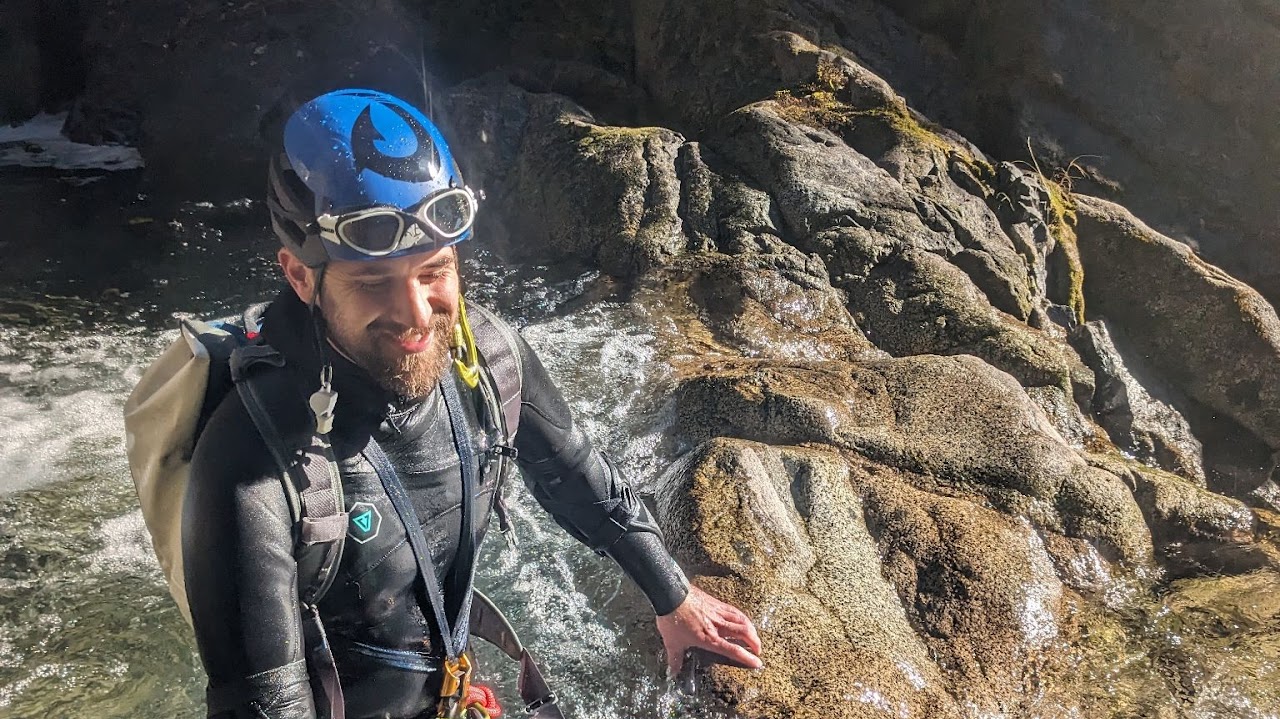
Dear PNW canyon community,
It is with great excitement and honor that I get to introduce to you the inaugural board of the Washington Canyon Coalition (WCC). I look forward to working side by side with this amazing group of people who are all eager to make sure canyoning in Washington continues to be a world class experience.
As the board has taken shape over the last few months, a common theme has emerged as to what the driving force behind people wanting to take part in the WCC is and that’s community. Each of us has seen canyoning in Washington and the PNW at large has a special community ethic of inclusion, respect, and openness that drives the culture here. And we are committed to carrying that forward.
As the WCC and the board look to what the future holds for canyoning in Washington, I also want to acknowledge that we are not the first to engage in this work. It is no accident that the community here is what it is today. We are humbly standing on a solid foundation that has been built over the years, and I am incredibly grateful to all those that have gotten us to where we are and have put so much into creating the community we all love. People who put time, effort, and money into establishing canyons routes, working with land managers, building Ropewiki, creating training programs, pioneering the first PNW Rondy and setting the tone for what canyoning in Washington is today. I’d love to thank each of them by name, but I’ll refrain in order to keep things as brief as possible and also for fear I’d miss someone deserving of recognition.
It’s this foundation the WCC will spring from to work on issues of access, conservation and stewardship, training and safety and whatever may arise that affects the interests of Washington canyoners.
There is a great deal of work to be done on all these fronts and I look forward to working together to grow this sport and community. Hopefully I will see you out there in the canyons we share and love.
In the meantime, keep an eye out for further updates on what’s happening with the WCC, and ways to be get involved.
-Korey Peterson,
President of the Board,
Washington Canyon Coalition


